
Geology field courses
Career development field schools for professional geoscientists
- 0.0TRIR since founding in 2019Total recordable incident rate
- 213industry field courses personally runand counting
- 4.76out of 5, average course ratingfrom 137 reviews
- EMTOur founder is a nationally registered EMTWilderness First Responder on every course
We work with supermajors, independents, public institutions, government agencies, and everything in‑between, and the prices are published on this page.
EMT-founded. EMT-directed.
Safety
Founded and run by a nationally registered EMT, with a Wilderness First Responder on every course. Total recordable incident rate since 2019: zero.
Founder and Director
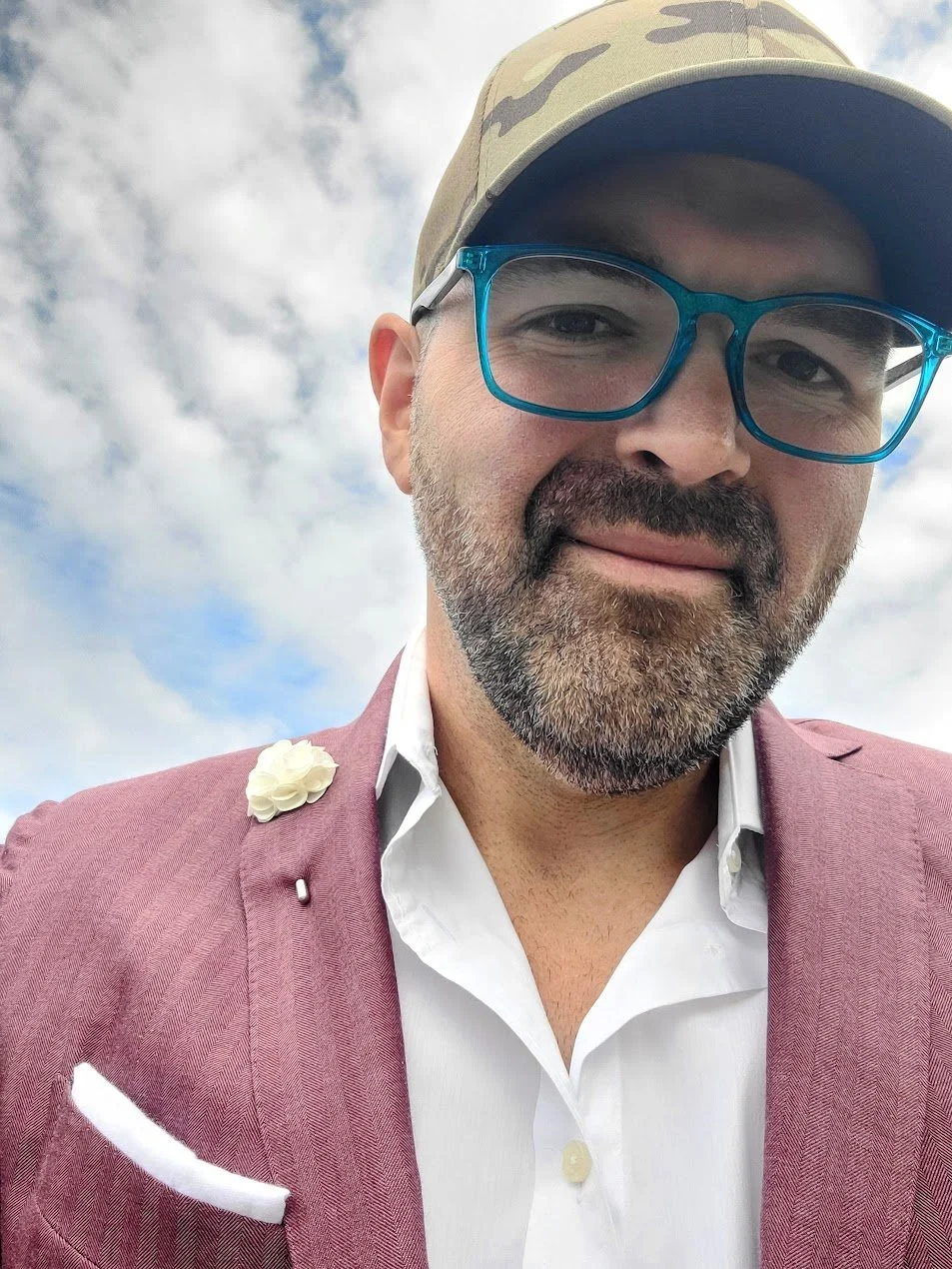
Christopher Oswalt
16 years of outdoor risk management
Founder & Director
Nationally Registered EMT (Emergency Medical Technician)
Former Global Field Safety Director for Nautilus/RPS across 100+ field courses worldwide.
- NREMTNationally Registered EMTOur founder and director
- WFRWilderness First ResponderThe minimum on every course
- AEDIn the field kitWith redundant comms and set convoy radio bands
- HSEWritten for your HSE teamRisk assessments in corporate language
- 0.0TRIR since 2019Total recordable incident rate
- 24/7Customer service365 days a year, with local field leaders
Upcoming field schools
Prices and dates are published. No date yet? Register interest and we’ll tell you first. Want your own? Ask us to run it, or request a private week for 5 or more people, set up in as little as 4 weeks. .
Flights and travel to the course start aren’t included. Flight cost estimates are current averages, for information only, not a guaranteed quote.
San Diego
Deepwater Reservoir Architecture
Who it’s for
Deepwater exploration and development geoscientists, geophysicists and petrophysicists.
What you’ll work through
- Confined, weakly confined and distributive fan systems
- Lithofacies scheme and elements-of-deposition maps
- Net-to-gross, amalgamation and connectivity
- Channel–levee, lobe and slope stacking geometries
- Outcrop to reservoir-model inputs and play-element calls
Analog for
Deepwater channel, lobe and levee reservoirs of the Gulf of Mexico, Brazil (Campos, Santos), West Africa, the North Sea, East Africa and the Eastern Mediterranean.
Instructors
 Vitor AbreuCo-founder, Bossa EnergyAAPG’s first international Distinguished Instructor. Special guest on this course.
 Rene JonkDirector, ACT-GEO25+ years in industry (ExxonMobil, Apache). PhD, University of Aberdeen, where he is an honorary professor.
Delivered with


Dates and price
Sample flights
Scotland
Play, Prospect & Field Characterization
Who it’s for
Exploration, development and CCS geoscientists and engineers.
What you’ll work through
- Play and prospect evaluation: assessment and risking
- Terrestrial, paralic and deepwater clastic systems
- Outcrop to core, log and seismic integration
- Faults and fractures: impact on flow and seal
- Seal risking for structural and stratigraphic traps and CCS
Analog for
North Sea rift and post-rift plays (Moray Firth, Central and Viking Grabens), Permo-Triassic aeolian and fluvial reservoirs, sand injectites, Faroe–Shetland, and saline-aquifer CCS.
Instructors
- Rene JonkDirector, ACT-GEO25+ years in industry (ExxonMobil, Apache). PhD, University of Aberdeen, where he is an honorary professor.
Delivered with
Dates and price
Sample flights
West Texas
Play, prospect and field characterization across carbonate, clastic and unconventional systems
Who it’s for
Development and exploration geoscientists and completion engineers.
What you’ll work through
- Mixed carbonate–siliciclastic systems, shallow to deepwater
- Sequence stratigraphy and seismic-scale platform geometries
- Diagenesis and reservoir quality in carbonates and clastics
- Deepwater clastics: channel, sheet and lobe architecture
- Unconventional systems read from distal basin outcrops
Analog for
Permian Basin plays (Delaware and Midland: Wolfcamp, Bone Spring, Spraberry), the Tengiz, Kashagan and Karachaganak platforms, and Eagle Ford and Vaca Muerta unconventionals.
Instructors
- Rene JonkDirector, ACT-GEO25+ years in industry (ExxonMobil, Apache). PhD, University of Aberdeen, where he is an honorary professor.
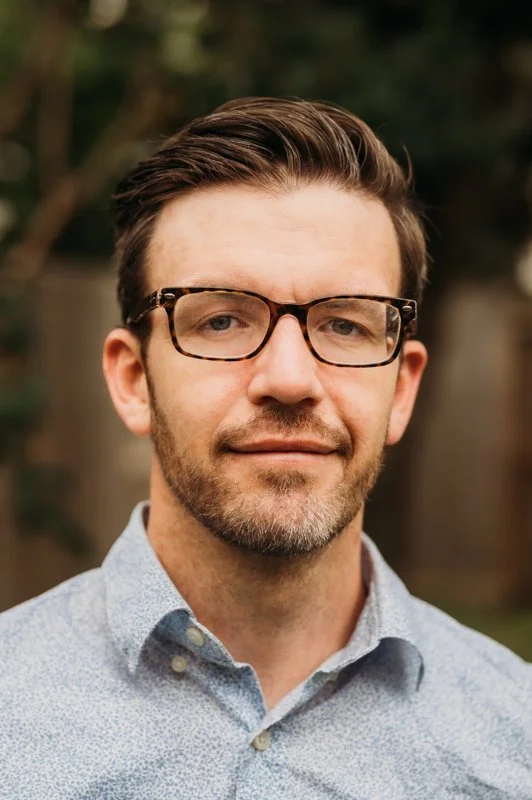 Brandon HarperGeoscientist, PhDPhD, Rice University. 15+ years as a ConocoPhillips explorationist; 25+ basins worldwide.
Delivered with
Dates and price
Premium hotels, usually 3 or 4 dinners included, Premium SUVs, geoscientist enrichment where available, printed manual · 3-month web access (opens 1 month before start; both tiers).
Sample flights
Inyan Kara
Williston Basin SWD/CCS
Who it’s for
SWD, CCS and reservoir geoscientists and engineers.
What you’ll work through
- Compound incised-valley fills of the Lakota and Fall River
- Sand-body connectivity and injectivity
- Seal and confining-interval integrity (Skull Creek–Mowry)
- A proximal-to-distal transect of about 100 miles
- Screening SWD and CCS sites for containment risk
Analog for
Williston Basin disposal and CO₂ storage, Alberta Mannville, Denver Basin J Sandstone, Powder River Muddy, and any incised-valley-fill reservoir and seal pair.
Instructors
 Rick BeaubouefRTB Geoscience30 years in the subsurface, former Chief Geologist, and author of the field guide.
Delivered with

Dates and price
Immediately after GSA Rocky Mountain Section · Rapid City (May 8–10). Visit us at GSA Rocky Mountain.
Sample flights
Rock Springs Uplift
Continental clastic systems
Who it’s for
Development and exploration geoscientists and completion engineers.
What you’ll work through
- Mesaverde tight-gas reservoirs and their stratigraphy
- Distributary channels versus compound incised-valley fills
- Barrier–lagoon systems and reservoir compartmentalization
- Accommodation/supply ratio and tectonic control on sand bodies
- Outcrop read in log and core language, with 3D drone models
Analog for
Mesaverde and Lance tight gas in the Greater Green River, Piceance and Uinta Basins, Alberta Deep Basin (Falher), Cotton Valley, and other low-permeability fluvial and paralic sands.
Instructors
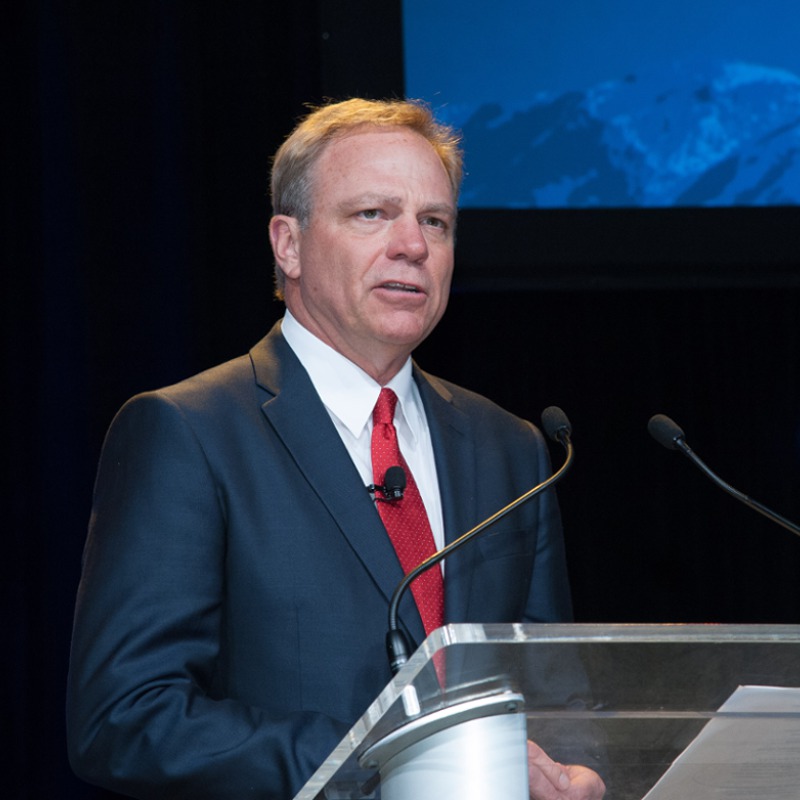 Lee KrystinikEquus Energy PartnersAAPG President 2013–14 and former Global Chief Geologist.
Delivered with

Dates and price
Sample flights
Kanab, UT
Updip-to-downdip play element prediction and linkage
Who it’s for
Exploration, resource-play and reservoir geoscientists and engineers.
What you’ll work through
- Updip-to-downdip prediction of reservoir, seal and source
- Sequence stratigraphy tied to biostratigraphy and ash-bed ages
- Fluvial, shoreface, shelf and offshore mudstone systems
- Mudstone seal, source and unconventional reservoir potential
- Subtle stratigraphic traps and play-element linkage
Analog for
Rockies mudstone plays in Utah, Colorado and Wyoming; Eagle Ford, Niobrara and Mowry; Alberta Cardium and Viking; subtle stratigraphic traps in Cretaceous seaway basins.
Instructors
- Brandon HarperGeoscientist, PhDPhD, Rice University. 15+ years as a ConocoPhillips explorationist; 25+ basins worldwide.
- Rene JonkDirector, ACT-GEO25+ years in industry (ExxonMobil, Apache). PhD, University of Aberdeen, where he is an honorary professor.
Delivered with
Dates and price
Sample flights
Ainsa, Spain
Deepwater Systems & Source-to-Sink
Who it’s for
Deepwater exploration, development and geomodel teams.
What you’ll work through
- Linked fluvial, shallow-marine and deepwater source-to-sink
- Lithofacies, stratal geometries and key surfaces
- Core, log and seismic to play-fairway maps
- Net-to-gross, connectivity and rock-physics response
- Engineering data for reservoir performance
Analog for
Deepwater plays of the Gulf of Mexico, Brazil (Campos, Santos), West Africa, Faroe–Shetland, East Africa and the Eastern Mediterranean, with reservoir, seal and source linked shelf to basin floor.
Instructors
- Rene JonkDirector, ACT-GEO25+ years in industry (ExxonMobil, Apache). PhD, University of Aberdeen, where he is an honorary professor.
Delivered with
Dates and price
Premium hotels, usually 3 or 4 dinners included, Premium SUVs, geoscientist enrichment where available, printed manual · 3-month web access (opens 1 month before start; both tiers).
Sample flights
Kilkee, Ireland
Deepwater Depositional Systems
Who it’s for
Deepwater explorationists, development and geomodel teams.
What you’ll work through
- Seismic-scale outcrops of a basin-floor fan system
- Channel, lobe and levee architecture and stacking
- Slope instability, slumps and incised-valley fills
- Bed-scale facies, amalgamation and net-to-gross
- Reservoir-model geometries from outcrop to seismic scale
Analog for
Basin-floor fans of West Africa (Niger Delta, Angola), offshore Brazil, the Gulf of Mexico, the North Sea, East Africa and the Eastern Mediterranean.
Instructors
- Rene JonkDirector, ACT-GEO25+ years in industry (ExxonMobil, Apache). PhD, University of Aberdeen, where he is an honorary professor.
Delivered with
Dates and price
Premium hotels, usually 3 or 4 dinners included, Premium SUVs, geoscientist enrichment where available, printed manual · 3-month web access (opens 1 month before start; both tiers).
Sample flights
Geo-Hikes
Social Geology Hikes & Backpacking
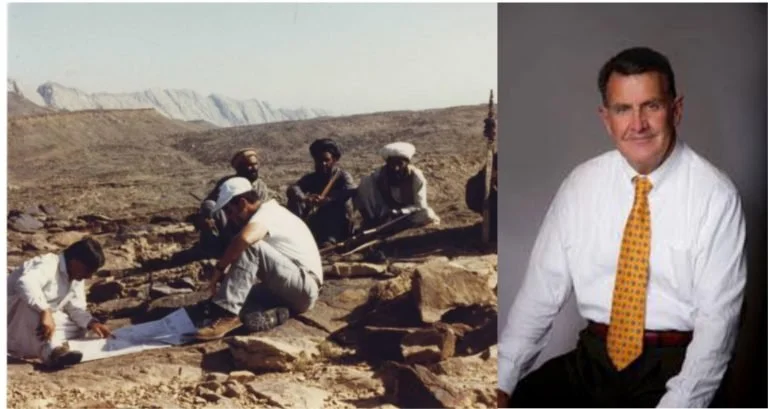 Thomas L. Davis, PhDGeologic Maps Foundation
Geologic Maps Foundation / Geo-Hikes are not officially part of or affiliated with Geology Field School — we like them and what they do.
Upcoming trips
- Nov 8 2026 Howard Canyon to Nordhoff Ridge Free
- Nov 21 2026 Geology Hike at Taft Gardens, Ojai, California Free
- Sep 1–4 2027 Santa Rosa Island backpack $100
Fees are billed in USD. Hover or tap a price to see GBP and EUR. Conversions are approximate.
For companies
Training a team?
Two ways to do it, and the paperwork is simple either way.
- A private week. Your dates, 5 or more people, and your asset questions built in. Same safety standards and logistics as the open weeks. A private week can be set up in as little as 4 weeks.
- Or send people to an open week. Company card or PO accepted. Swap in a colleague up to 5 days before the start ($100 per swap).
- Vendor paperwork. A vendor pack is available on request: W-9, certificate of insurance and a sample invoice. Payment terms are on every course page, and the cancellation terms are public.
- A certificate for everyone. Each participant gets a certificate of attendance that lists instructional contact hours. For most professional geoscientists, those hours count toward PDH requirements.
We’re open 24/7. Messages go straight to our founder.
Next step
Register interest or ask about a private course
Pick a course above, or use the buttons below to tell us what you’re after.
We’re open 24/7. Messages go straight to our founder.
Exclusive Co-taught by Vitor Abreu. Only at Geology Field School.
San Diego, California · 5 field days
Deepwater reservoir architecture
Walk six California deepwater systems: canyon, channel, levee and lobe outcrops. You leave with lithofacies, stratal geometry and net-to-gross calls you can take straight back to your subsurface models.
What you’ll be able to do
Five skills you take back to work
Describe outcrops in deepwater lithofacies terms
The problem: Lithofacies names don't transfer cleanly from core to outcrop.
Tie lithofacies to stratal geometry at channel, levee and lobe scale
The problem: One wellbore view makes geometry hard to connect to facies.
Pick key stratigraphic surfaces from geometry and stacking
The problem: Surfaces get missed when the stacking is ambiguous.
Interpret depositional environments from facies associations
The problem: Environments get called without enough association criteria.
Predict 3-D reservoir facies distribution
The problem: Without outcrop and water-bottom analogs it stays guesswork.
Up to 80% of the week is in the field, with classroom sessions and exercises in between. We compare outcrop channel and lobe architecture with high-resolution Pleistocene water-bottom datasets, so your predictions of net-to-gross, quality, continuity and performance have something to stand on.
The week
Five days, one coastline
- Mon22
Point Loma coast
Safety brief, then Cretaceous lobe architecture.
- Tue23
Tourmaline
Coastal deepwater transition and facies debate.
- Wed24
La Jolla bluffs
Confined canyon and channel systems.
- Thu25
San Clemente
Amalgamated Miocene channels.
- Fri26
Dana Point
Wrap-up. Depart after 2:00 pm.
This is a sample week. The order can change for swell and tide. Exact stops and tide windows are on your participant site.
The rocks you’ll work
- Cretaceous Point Loma Formation: lobe architecture, bedset continuity, scours
- Eocene sea cliffs north of Scripps: confined canyon and channel systems
- Tourmaline Surfing Beach: coastal deepwater transition and facies
- Cretaceous coastal exposures in La Jolla
- Capistrano Formation at San Clemente: laterally amalgamated channels
- Capistrano and Monterey sediments at Dana Point Harbor
- Deepwater lithofacies nomenclature, associations and outcrop-to-core interpretation
Why the field is worth the time
Hands-on beats passive. In 95 studies of worker safety and health training (20,991 people), more hands-on methods went with more learning and fewer accidents and injuries than lectures or videos.
Checking pays off. Of 184 experts reading one synthetic seismic section, the 18 who checked that their answer was geometrically possible were almost three times as likely to be right. That checking is the daily work on the outcrop.
Skills carry over to the job more when people are motivated and their workplace supports using them (89 studies).
These studies looked at other workers and expert test-takers, not this course. We don’t publish an ROI figure. Sources: Burke et al., 2006, American Journal of Public Health · Bond et al., 2012, Geology · Blume et al., 2010, Journal of Management.
Who it’s for
Built for deepwater reservoir practitioners
- Exploration geoscientists. Risking canyon, channel and lobe plays. You need walkable architecture and recognition criteria.
- Development geoscientists. Tying wells and seismic to deepwater facies architecture, net-to-gross and continuity.
- Geophysicists. Linking seismic-scale channel and lobe geometries to outcrop lithofacies.
- Petrophysicists. Calibrating log character to deepwater lithofacies and stacking.
- Reservoir engineers. Framing connectivity and performance on rock, not only on models.
- Managers sending a team. Building a shared outcrop language and a working grasp of deepwater reservoirs.
Not for
Leisure or sightseeing trips. Every coastal stop is a working session on deepwater lobe, channel and canyon architecture. The cliffs are the data, not the itinerary.
Anyone who can’t walk about 2 miles (3 km) at a time, and about 3.7 miles (6 km) on the longest day, on sand, cobble and loose boulders, climb steep beach stairs, or manage one descent of about 300 ft (90 m) on a steep road and dirt trail.
Instructors and field staff
Who’s running the week
Vitor Abreu leads and Rene Jonk co-teaches the science. Geology Field School runs safety, logistics and equipment. Offered exclusively with ACT-GEO.
Vitor Abreu
Guest instructor, leads the week
Advisor at ACT-GEO and co-founder of Bossa Energy. AAPG’s inaugural international Distinguished Instructor and an adjunct professor at Rice since 1999.
Full bio
AAPG’s inaugural international Distinguished Instructor (2006). Adjunct Professor at Rice University since 1999, where he took over the sequence stratigraphy course after Peter Vail’s retirement. Chief editor of SEPM’s Sequence Stratigraphy of Siliciclastic Systems. AAPG calls him “one of the world leaders in sequence stratigraphy and deep-water reservoirs.” He retired from ExxonMobil in 2016, co-founded FLUXUS in 2023 and co-founded Bossa Energy in 2026. More than 30 years evaluating, risking and drilling in 22 countries and 31 sedimentary basins.

Rene Jonk
Co-instructor
Director of ACT-GEO. More than 25 years in geoscience characterization, with technical and leadership roles at ExxonMobil and Apache. Honorary professor, University of Aberdeen.
Full bio
More than 25 years in geoscience characterization for exploration, development and research. Technical advisor and leadership roles with ExxonMobil and Apache. Honorary professor, University of Aberdeen. Co-teaches lithofacies, architecture and subsurface integration on this course.
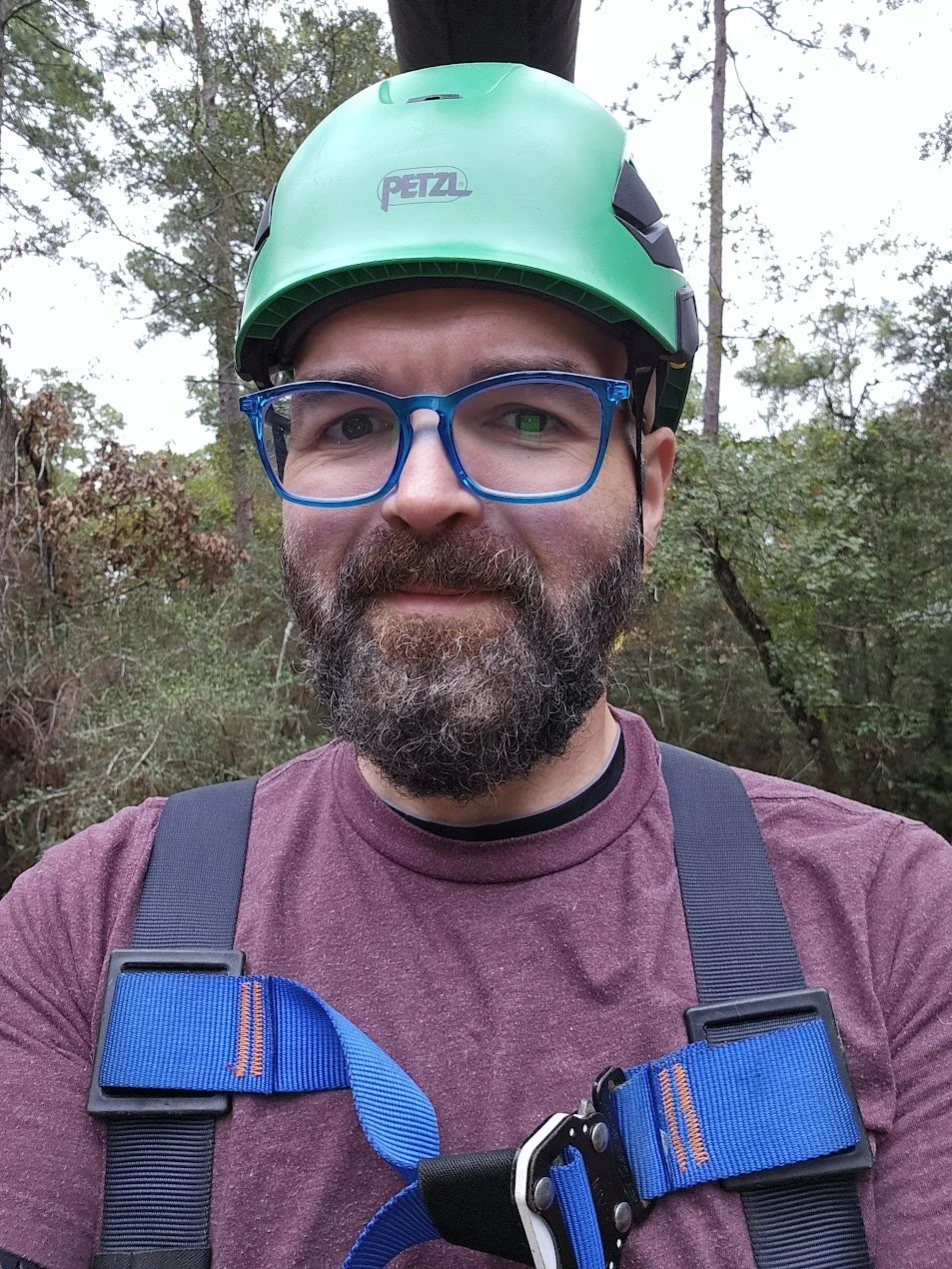
Christopher Oswalt
Founder, field safety · EMT
Founder of Geology Field School and a Nationally Registered EMT. Former Global Field Safety Director for Nautilus/RPS across 100+ field courses.
Full bio
Founder of Geology Field School, an EMT-led company built on wilderness risk management. Nationally Registered EMT. Former Global Field Safety Director for Nautilus/RPS across 100+ field courses worldwide. WFR-qualified field staff are on every GFS course at minimum. Christopher often attends when his schedule allows, but that isn’t guaranteed on every course.
Safety
How we run the week safely
- A Wilderness First Responder is on every GFS course.
- Founded by an EMT, on the practice of wilderness risk management.
- We bring the best safety equipment we can find for the job.
- The week opens Monday with a safety brief.
- Coastal stops are ordered around tide and swell.
- Hiking footwear is mandatory.
Fitness and readiness
Low to medium physical demand. Most stops are short coastal walks of about 0.25–1 mile (0.4–1.6 km) close to sea level, on sand, cobble, wet rock platforms and loose boulders. Sunset Cliffs has steep stairs of about 70 ft (21 m). San Clemente is about 1 mile (1.6 km) on loose sand with a railway-track crossing.
The longest day pairs two walks. La Jolla Farms to Scripps Pier is about 1.85 miles (3.0 km) over about 5 hours. It drops about 300 ft (90 m) on a steep asphalt road that turns into a dirt trail, and the beach section depends on the tide. Torrey Pines State Beach to Flat Rock is about 1.8 miles (2.9 km) with no elevation gain, about 2 hours on slippery rocky ground.
Field conditions
Late February on the San Diego coast: highs about 64–66°F (18–19°C), lows about 49–52°F (9–11°C), rain about 1 day in 4, UV about 4–6. Bring layers, sun protection and water every day.
- Elevation: sea level to about 300 ft (90 m) at the La Jolla Farms trailhead
- Rain: about 1 day in 4; February normal 2.2 in (56 mm)
- Wind: typical daily gusts about 20–24 mph (33–38 km/h)
- Tides (La Jolla, NOAA): afternoon lows Feb 22–23 of −0.54 to +0.10 ft (−0.16 to +0.03 m) MLLW. Lows rise later in the week, so the stop order follows the tide.
Main hazards
- Charter-bus road time between San Diego and Orange County stops
- Cliff edges and falling-rock zones below bluffs
- Uneven beach, cobble and wet-rock footing
- Tide timing and wave run-up on beach stops
- Sun exposure and cool coastal wind
Logistics
Getting there, where you stay, what’s covered
Getting there
- Book your own flights into San Diego International (SAN).
- Arrive in time for the Monday Feb 22 start (time to be confirmed). The day opens with the safety brief.
- Don’t book a departure before 2:00 pm on Friday Feb 26.
- If you miss Monday, you may miss the safety brief and the course frame the field days build on.
- Charter-bus transport between the La Jolla base and the stops is included.

One base all week: La Jolla
Single-occupancy lodging in a seaside village on the cliffs north of San Diego. Field days run from the coast to Orange County. Evenings are for walks along the cove, with two hosted group dinners at The Spot and George’s, and a field discussion under Scripps Pier when the tide allows.
Photo: La Jolla Cove · Mollymcc · Wikimedia Commons (CC0)
Included
- Instruction by Vitor Abreu with Rene Jonk
- Field safety and logistics, WFR-qualified staff
- Charter-bus ground transport
- Single-occupancy lodging in the La Jolla area
- Hotel breakfasts and field lunches
- Two hosted dinners
- Course-specific field safety equipment
- Exclusive 3D drone models
- Participant website and digital field kit
Not included
- Airfare to and from SAN
- Most dinners
- Personal field clothing and footwear
- Travel insurance (recommended)
Bring
- Sturdy closed-toe field shoes that handle sand and wet beach (mandatory)
- Layers for cool coastal mornings
- Sun protection and a water bottle
- Notebook and any personal medication
Payment and company purchasing
- A non-refundable $500 deposit holds a seat.
- 50% of the course fee is due at sign-up (the deposit counts toward it). The other 50% is due no later than the first day of the course. Paying in full is preferred.
- Company card and PO accepted.
- Colleague substitution up to 5 days before the start ($100 per swap).
- Vendor pack on request (W-9, COI, sample invoice).
- Cancellation terms
What you get
Your digital field kit
Opens one month before the course (about Jan 22 2027) and stays open for three months.
Course app
In-field measuring, group communication, and logistics and safety info in one tap. Plus an in-depth geological resource and low-resolution copies of 3D models from all over the world.
Participant website
Your own page with pre-reading, videos, a digital Field Course Atlas of the field stops, select 3D models, a secured digital copy of the course manual where possible, and course photos.
Exclusive drone outcrop models
We flew these cliffs ourselves: La Jolla 3, Blacks Beach and La Jolla 2. Re-walk the architecture after the trip. Full models open with your participant kit.
Sample 3D model
One sample from the drone models for this course. Drag to spin, or open it full screen.
High-res model video 1 — coming soon
High-res model video 2 — coming soon

Certificate of attendance
Your Geology Field School certificate lists your instructional contact hours. For most professional geoscientists, in almost all states, those hours count toward professional-development (PDH) requirements. Check the listed hours against your state board or employer process.
Sample certificate shown blank. Yours lists your name, course, dates, location and contact hours.
Reviews
Reviews
Across San Diego company courses, Dec 2023 – Oct 2026 — 74 reviews, combined overall 4.688 / 5. Selected participant comments below.
Reviews from this course will appear here after the first run.
Show all comments
FAQ
Common questions
Who teaches this week?
Vitor Abreu leads and Rene Jonk (ACT-GEO) co-teaches. Geology Field School staff run safety and logistics. See Instructors.
Is this course right for me, physically?
It’s low to medium demand, but you need to be able to walk about 2 miles (3 km) at a time, and about 3.7 miles (6 km) on the longest day, on sand, cobble and boulders, including steep stairs and one road-and-trail descent of about 300 ft (90 m). Details are under Safety.
How do I get there?
Book your own flights into SAN. Arrive in time for the Monday Feb 22 start and don’t depart before 2:00 pm on Friday Feb 26. More in Logistics.
Where do I stay?
Single-occupancy lodging in the La Jolla area for the whole week is in the price.
How are the days ordered?
Coastal stops follow the tide. This page shows the general stops. Exact tide windows and day order are on the participant site after you register.
How does payment work?
A non-refundable $500 deposit counts toward 50% of the fee due at sign-up. The rest is due by the first day of the course, or pay in full. Company card and PO accepted. See Payment and company purchasing.
Why is it $9,499?
The price is based on local lodging and transport costs and staffing. We don’t carry a large international office or a board of advisors, so our overhead is low and our prices reflect that.
Do I get a certificate?
Yes. It lists your instructional contact hours, which count toward PDH requirements for most professional geoscientists. See What you get.
When do I get the course materials?
You get a payment receipt first. Participant credentials follow when the kit opens, about one month before the start (around Jan 22 2027).
How do I hear when registration opens?
Use Register interest for the Feb 22–26 2027 public week, or ask about a private week for your team. We’ll reply in writing.
What is the cancellation policy?
San Diego · Public week
Feb 22–26 2027
$9,499 per person
Registration opens soonCard payments accepted once registration opens.
In-house
Private company week
Same safety standards and logistics, on your dates. 4–12 people, built around your asset questions. Typical lead time is 4–8 weeks.
Other industry field schools
Same safety standards and logistics across every course — Inyan Kara, Scotland, West Texas, Rock Springs, Aínsa, Ireland, and more.
Same instructor, same six systems, $4,681 less per person.
- Instructor. Rene Jonk co-teaches our course and is listed as an instructor on N442 (NTA page, Nov 1, 2026).
- Ground covered. The same six deepwater systems as NTA course N442, Reservoir Architecture of Deepwater Systems (California, USA).
- Safety. Our founder was Global Field Safety Director for Nautilus/RPS across 100+ field courses. A Wilderness First Responder is on every GFS course.
| Tetra Tech RPS N442 | Geology Field School | |
|---|---|---|
| Fee (USD) | $14,180 fee from, excl. tax | $9,499 single public fee |
| Dates | Nov 15–19, 2027 | Feb 22–26 2027 |
| Length | 5 days | 5 field days |
| Lodging, transport, meals | Accommodation during the course and in-course transport (NTA FAQ); meals not stated | La Jolla-area single lodging, charter-bus ground transport, hotel breakfasts, field lunches, two hosted dinners |
RPS fee as published Nov 1, 2026 (opens in a new tab). Other NTA rates may apply. Programs, dates and inclusions differ.
We're independent. Geology Field School isn't affiliated with or endorsed by Tetra Tech, RPS or the Nautilus Training Alliance.