


Geology Field School exclusive
Play, prospect and field characterization across carbonate, clastic and unconventional systems
West Texas & southeastern New Mexico · Permian Basin — mixed carbonate-siliciclastic systems, shelf-to-basin frameworks, and outcrop-to-seismic characterization for conventional and unconventional plays.
- Apr 26–30 2027
- Crinoid $6,700 · Ammonite $8,200
- Included: Carlsbad single lodging, ground transport, most meals (tier-dependent), and course materials. Not included: airfare and a few unhosted dinners.
Course fees are billed in USD. GBP/EUR figures are mid-market references (live when available, otherwise approximate) - not a guaranteed charge currency. Flight averages are indicative only - not a quote. Flights and other travel to and from the course start are not included.
Technical
Mixed depositional systems · Permian Basin
West Texas and southeastern New Mexico expose mixed carbonate-siliciclastic systems across shelf-to-basin frameworks that still set the language for Permian Basin exploration and development — and for analog plays worldwide.
Field days work carbonate margin context, mixed systems and deepwater architecture, slope / margin stacking, and along-strike facies for play-element prediction — conventional and unconventional.
Guadalupe / Capitan reef country — overnight Carlsbad, with a course stop at Carlsbad Caverns for Capitan reef / karst context.
What you work
- Sequence stratigraphy of mixed carbonate-siliciclastic systems
- Shelf-to-basin frameworks at Capitan reef / margin scale
- Mixed systems and Brushy Canyon–style deepwater architecture
- Slope / margin stacking patterns
- Along-strike facies and play-element prediction
- Outcrop-to-seismic characterization for conventional and unconventional plays
- Exclusive 3D / drone model review of key outcrops
Five problems this week solves
- Mixed carbonate-siliciclastic sequence strat stays abstract when teams only see maps and seismic.Apply shelf-to-basin frameworks on Capitan reef / margin and mixed-system outcrops you can walk.
- Deepwater and slope elements blur when facies are inferred only from logs and seismic.Recognize Capitan reef / margin context and Brushy Canyon–style deepwater architectures that map into seismic and well space.
- Conventional and unconventional play elements are hard to defend without outcrop geometry.Frame play elements from stacking patterns and along-strike facies you observe at walkable scale.
- Outcrop intuition rarely survives the jump back to the office model.Use exclusive 3D / drone models to revisit key outcrops after the field week with your team.
- Geology, engineering, completions, and geophysics lack a shared rock language.Carry a shared vocabulary across disciplines from one Geology Field School exclusive week.
Apr 26–30 · Guadalupe / Capitan reef country
- Mon 26Arrive El Paso (ELP) · transfer to Carlsbad · safety · basin overview
- Tue 27Shelf-to-basin framework · carbonate margin context
- Wed 28Mixed systems & Brushy Canyon deepwater architecture
- Thu 29Slope / margin stacking · along-strike facies & play elements
- Fri 30Morning synthesis · transfer Carlsbad → El Paso · afternoon flights
Sample week. Weather and access may reorder themes; specific stop details are on your participant website.
Built for Permian Basin and analog practitioners
- Development geoscientists Working mixed carbonate-siliciclastic systems — need shelf-to-basin frameworks on rock.
- Exploration geologists Evaluating Permian Basin and analog plays with outcrop-to-seismic characterization.
- Reservoir / completion engineers Need facies architecture and stacking patterns that control wellbore and reservoir performance.
- Geophysicists Tying seismic and well data to walkable outcrop geometries.
- Managers sending a team Want a shared outcrop model and a week that translates to everyday subsurface decisions.
- Company training leads Open enrollment or a private in-house week with the same instructors.
Not for
- Tourists / general outdoors trips — industry subsurface week, not a scenic geology tour.
- Undergrad field camp — pitched to working geoscientists and engineers.
- Anyone unable to walk about 1–2 miles on uneven desert / canyon ground with heat and UV at Guadalupe field elevations.
Discipline mix
Field staff
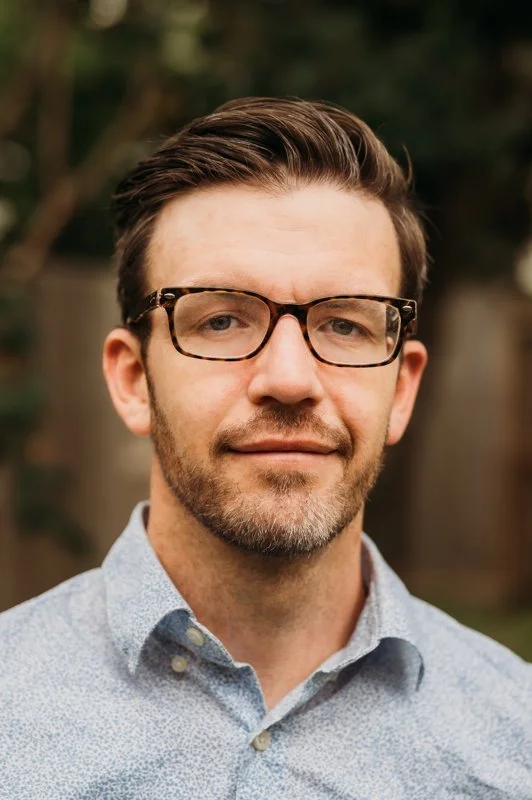
Brandon Harper · Instructor
Exploration Geoscientist Consultant, ACT-GEO
More than 15 years in industry and academic geoscience exploration, development, and research — explorationist, project supervisor, and instructor for ACT-Geo and ConocoPhillips. Risked play-based basin and prospect evaluations in 25+ basins on every major continent. PhD, Earth Science, Rice University (barrier reef systems on siliciclastic shelf margins). Member of SEPM and AAPG; helps teach the SEPM Sequence Stratigraphy course at IMAGE.

Rene Jonk · Instructor
Director, ACT-GEO
More than 25 years in geoscience characterization for exploration, development, and research. Technical advisor and leadership roles with ExxonMobil and Apache. Honorary professor, University of Aberdeen. Co-instructs mixed depositional systems for this Permian Basin delivery.
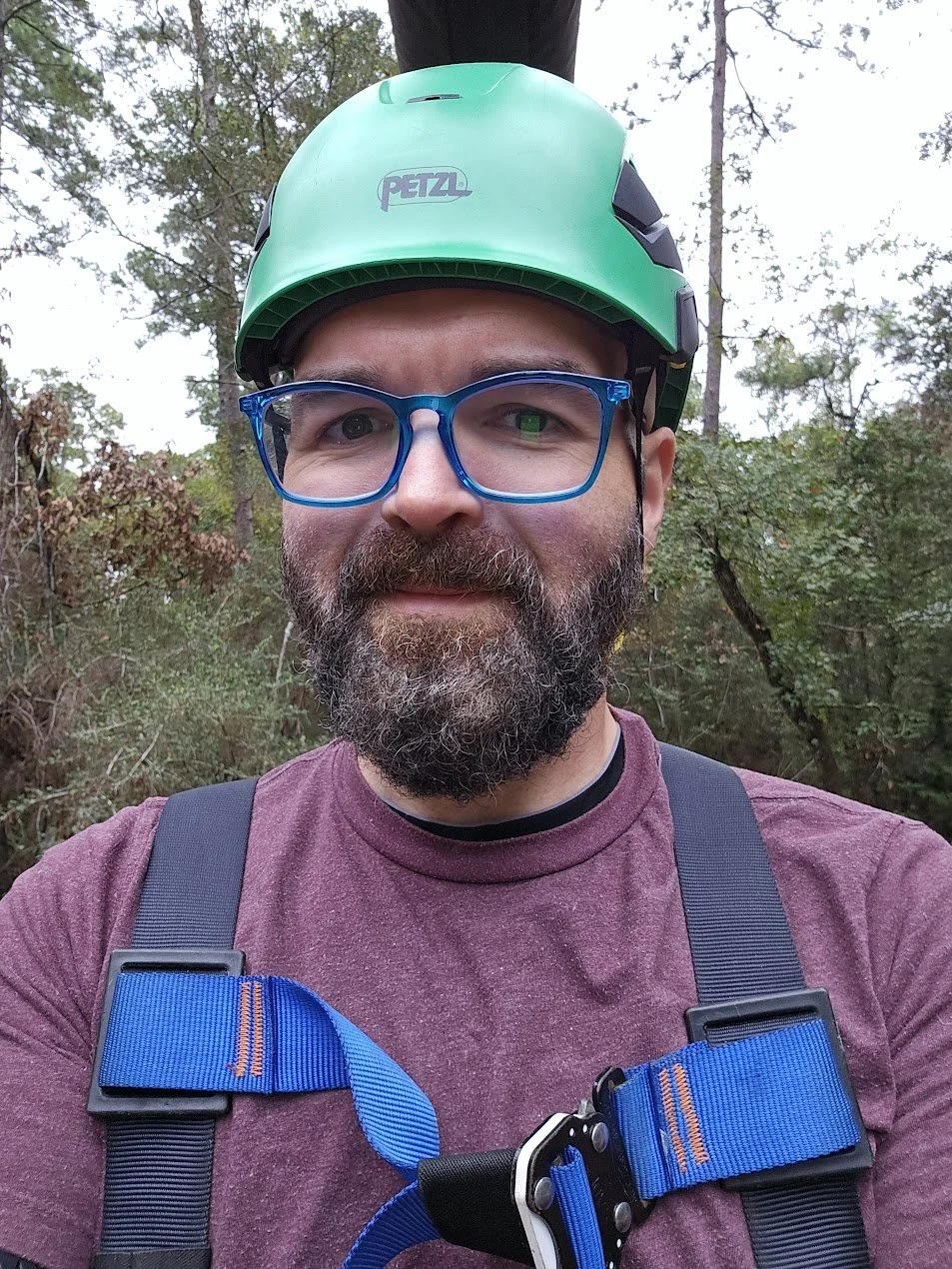
Christopher Oswalt · Field lead · EMT
Geology Field School founder
Founder of Geology Field School. Field safety directors and EMT-qualified field staff run the week; Christopher often attends when schedule allows — not guaranteed on every course. Company founded on wilderness risk management. Nationally Registered EMT. Former Global Field Safety Director for Nautilus/RPS across 100+ field courses worldwide.
Why this week
Walkable Permian Basin architecture
The Guadalupe Mountains / Carlsbad region preserves Capitan reef and mixed carbonate-siliciclastic shelf-to-basin architecture at walkable scale — the same language you use in seismic, well, and model space.
Instructors own the science · vs classroom / catalog field schools
Brandon Harper and Rene Jonk lead the geoscience (Staff); Geology Field School runs safety, logistics, and equipment.
Exclusive 3D · Geology Field School exclusive
Drone / photogrammetry models of Capitan reef and mixed-system outcrops. See three live Sketchfab previews.
Safety
Field safety and readiness
How we run the week
- EMT and WFR-qualified field staff on the trip (field staff)
- Founded on the science of wilderness risk management and outdoor experience-based education
- Cutting-edge technology and the best safety equipment we can find that fits the purpose
- Desert / canyon operating procedures for Guadalupe / Capitan reef field days
- Heat, UV, elevation, and dry-air awareness; sun protection and hydration every day
- Vests / helmets where directed (roadside pull-offs, steep approaches)
- Hiking footwear mandatory
Fitness / readiness
Medium physical demand. About 1–2 miles (1.6–3.2 km) on uneven desert / canyon ground with the group, including moderate elevation change, heat, and UV exposure.
Who should not: anyone unable to walk about 1–2 miles on uneven desert ground with the group.
Elevation / field conditions
Typical field elevations ~5,000–6,500 ft (~1,520–1,980 m); Carlsbad base ~3,127 ft (953 m). Late-April heat, wind, dry air, and strong UV; cool mornings. Hat, sun protection, water, and boots every day.
Main hazards
- Driving on highways and desert / canyon access roads
- Slips and falls on uneven rock, scree, and steep approaches
- Heat, UV, dry air, and elevation
- Spring wind and rapid weather shifts
- Desert flora and fauna (spines, snakes) — stay on directed routes
Logistics
Travel, bases, and the package
Required travel
Participants book their own flights into El Paso (ELP).
- Arrive El Paso on Day 0 (Monday Apr 26 2027) for the transfer to Carlsbad — exact meet time on your participant site.
- Friday Apr 30 2027: morning wrap, then the drive Carlsbad → El Paso. Book afternoon flights only after wrap + drive time.
If you miss the Day 0 group transfer, you may miss the safety briefing and basin overview the field days build on.
Gateway
Prefer El Paso International (ELP) + overnight Carlsbad. Public week: Apr 26–30 2027 (arrive Mon 26 / wrap Fri 30). Fall dates coming soon. Midland / Odessa (MAF) is also workable if ELP routing is awkward — confirm transfer time on your participant site.
In-course ground transport: ELP meet, Carlsbad base, and field days. Capacity 6 min · 18 max.
One base all week — single occupancy in Carlsbad, NM, staging for Guadalupe Mountains / Capitan reef field days. Tier (Ammonite / Crinoid) sets hotel class.
Base all week
Carlsbad, NM
Pecos River town at the foot of the Guadalupes — easy staging for Capitan reef field days and the Carlsbad Caverns course stop.
Gateway city
El Paso corridor (preferred)
Prefer ELP arrivals with transfer to Carlsbad on Day 0; return Friday after field wrap. Midland / Odessa also workable if needed.
Core bonuses
- Carlsbad Caverns — course stop for Capitan reef / karst context (field school, not tourism framing).
- Drone model evening sessions — when weather closes the outcrop, conference time with models and slides.
When schedule allows
Occasional extras — not every run guarantees these.
- Geology-related tours where available on Ammonite tier
- Evening synthesis with exclusive 3D models
Bring
- Hiking footwear (mandatory)
- Sun hat, sunglasses, sunscreen
- Layers for cool mornings and wind
- Refillable water bottles
- Travel insurance (recommended)
We provide
- Course-specific field safety equipment (vests and helmets where directed)
Full list in Included & payment.
Course website, 3D models, technical materials, and field tools open 1 month before the course start date (about Mar 26 2027 for this Apr 26 start), with 3 months of website access.
Crinoid · essential
$6,700
Essential hotels, vans, field lunches and hotel breakfasts, digital course manual. No hosted dinners.
Ammonite · premium
$8,200
Premium hotels, 3 hosted dinners, premium SUVs, geoscientist enrichment where available, printed manual.
Included
- Instruction with Brandon Harper and Rene Jonk (ACT-GEO)
- Field lead / EMT · Geology Field School safety and logistics
- In-course ground transport (ELP meet, Carlsbad base, field days)
- Single occupancy lodging in Carlsbad (tier sets property class)
- Hotel breakfasts and field lunches; 3 hosted dinners on Ammonite
- Course-specific field safety equipment
- Access to exclusive 3D drone models
- Participant course website and digital field kit (timing in access note above)
Not included
- Airfare to / from El Paso (ELP)
- A few unhosted dinners (all dinners on Crinoid)
- Personal field clothing and hiking boots
- Travel insurance (recommended)
AP / procurement
- Non-refundable $500 deposit holds a seat once registration opens
- Then either 50% of balance due 1 day before start and 50% after the trip ends, or pay in full (preferred)
- Company card and PO accepted
- Colleague substitution until 14 days before start
- Cancellation terms
- Vendor pack on request (W-9, COI, sample invoice)
What you get
Your digital field kit
Course website, 3D models, technical materials, and field tools open 1 month before the course start date (about Mar 26 2027), with 3 months of website access.
- Course app
- Participant course website
- Field Course Atlas — map with 3D models
- Field Guide Book — PDF guidebook
- Exclusive 3D / drone models
- Deepwater TV-style walkthroughs
01Course app & course website
02Exclusive drone outcrop models
Geology Field School originals — exclusive to this delivery. Three interactive Sketchfab previews (drag to spin); full models unlock with the participant kit (see Package).
30m Channel Section
El Capitan Roadcut
Last Chance Canyon
03Course videos
ACT-GEO / Geology Field School field videos from the Permian Basin. Pick a channel.
04Certificate of attendance
You receive a Geology Field School certificate of attendance listing your instructional contact hours. For most professional geoscientists, in almost all states, those hours count toward professional-development (PDH) requirements. Use the listed instructional hours with your state board or employer PDH process.

Reviews & FAQ
What participants scored
West Texas deliveries — 21 reviews, combined overall 4.800 / 5.
Show more reviews
FAQ
Common questions
Who should not register — fit and fitness
Not for tourists, undergrad field camp, or anyone unable to walk about 1–2 miles on uneven desert / canyon ground — see Who it’s for. Full readiness and hazards are in Safety.
Flights — gateway ELP
Prefer El Paso (ELP); Midland / Odessa is also workable if needed. Arrive Day 0 for the transfer to Carlsbad; depart Friday afternoon after wrap + drive time. Full travel rules in Logistics.
Lodging — single occupancy
Carlsbad single occupancy every course night is in the package — see Bases & towns and Package.
Ammonite vs Crinoid
Ammonite ($8,200) adds premium hotels, 3 hosted dinners, premium SUVs, geoscientist enrichment where available, and a printed manual. Crinoid ($6,700) is essential hotels and vans with no hosted dinners and a digital manual. Instruction, safety, and exclusive 3D are in both.
Payment / AP
$500 non-refundable deposit once registration opens, then split balance or pay in full; company card / PO accepted. Full AP notes in Package.
Certificate / continuing-education hours
About 40 hours of instruction on a full public week. Your certificate of attendance lists your instructional contact hours — see Certificate for how those hours count toward PDH requirements.
After Register interest — next step
We reply in writing with registration and payment details. Participant credentials follow when the kit opens about one month before the start (around Mar 26 2027).
Fall dates
Fall dates coming soon. Inquire for specifics or an internal run — use Fall interest above for a written next step. The registration window on this page is the Apr 26–30 2027 public week.
Cancellation
See geologyfieldschool.com/cancellation for current terms.
West Texas · Public seat
From $6,700
Crinoid $6,700 · Ammonite $8,200 · Apr 26–30 2027 · Registration opening soon
In-house
Private company week
Same operating system. Your dates. 6–18 people. Your asset questions. Typical lead time 4–8 weeks.
Other industry field schools
Same operating system and safety standards across the catalog — Inyan Kara, San Diego, Scotland, Rock Springs, Aínsa, Ireland, and more.