

Geology Field School exclusive
Partners: Geology Field School + RTB Geoscience — not a rented catalog trip.
Immediately after GSA Rocky Mountain Section · Rapid City (May 8–10) — course runs May 10–15 2027.
Williston Basin Inyan Kara SWD/CCS
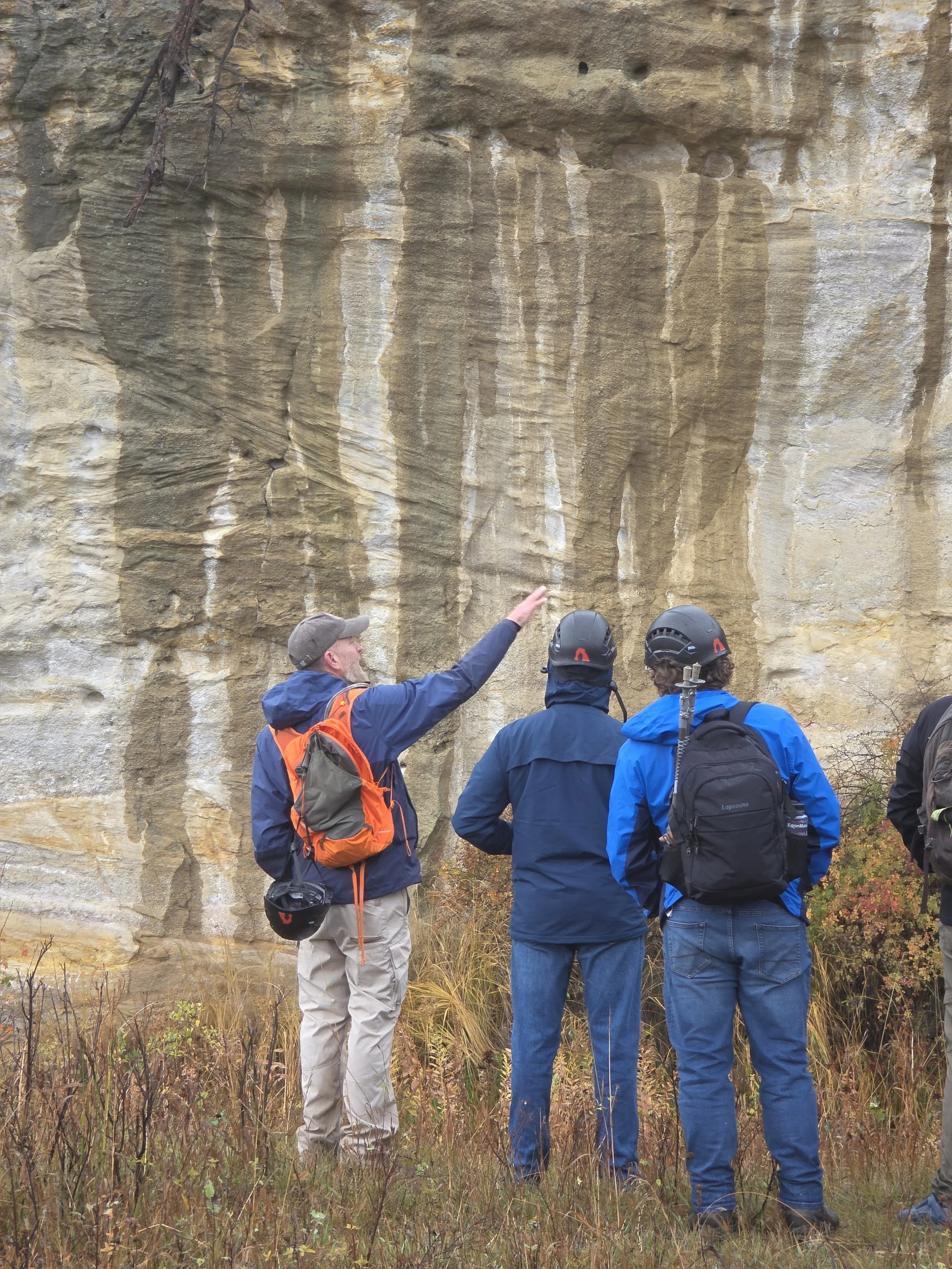
Walk the Black Hills outcrop analog for Williston saltwater disposal and carbon storage — injectivity, sandbody connectivity, and Skull Creek seal framed on rock, not maps alone.
 4.730★
·
2025–2026
·
18 reviews
4.730★
·
2025–2026
·
18 reviews
- May 10–15 2027
- $9,995
- Included: lodging, ground transport, most meals, and course materials. Not included: airfare and a few unhosted dinners.
Course fees are billed in USD. GBP/EUR figures are mid-market references (live when available, otherwise approximate) - not a guaranteed charge currency. Flight averages are indicative only - not a quote. Flights and other travel to and from the course start are not included.
Field staff
Field staff
Rick Beaubouef · Instructor
RTB Geoscience · Field guide author
Thirty years of subsurface integration — deep-water fans and channel complexes applied to Inyan Kara IVF connectivity. Author of the Inyan Kara field guide; ~39 publications, ~1,600 citations, h-index 16 (OpenAlex). Former Chief Geologist / Principal Advisor Geology at Hess; geoscience roles at ExxonMobil Upstream Research including deep-water Brazos–Trinity work. Owner, RTB Geoscience.
Christopher Oswalt · Field lead · EMT
Geology Field School founder
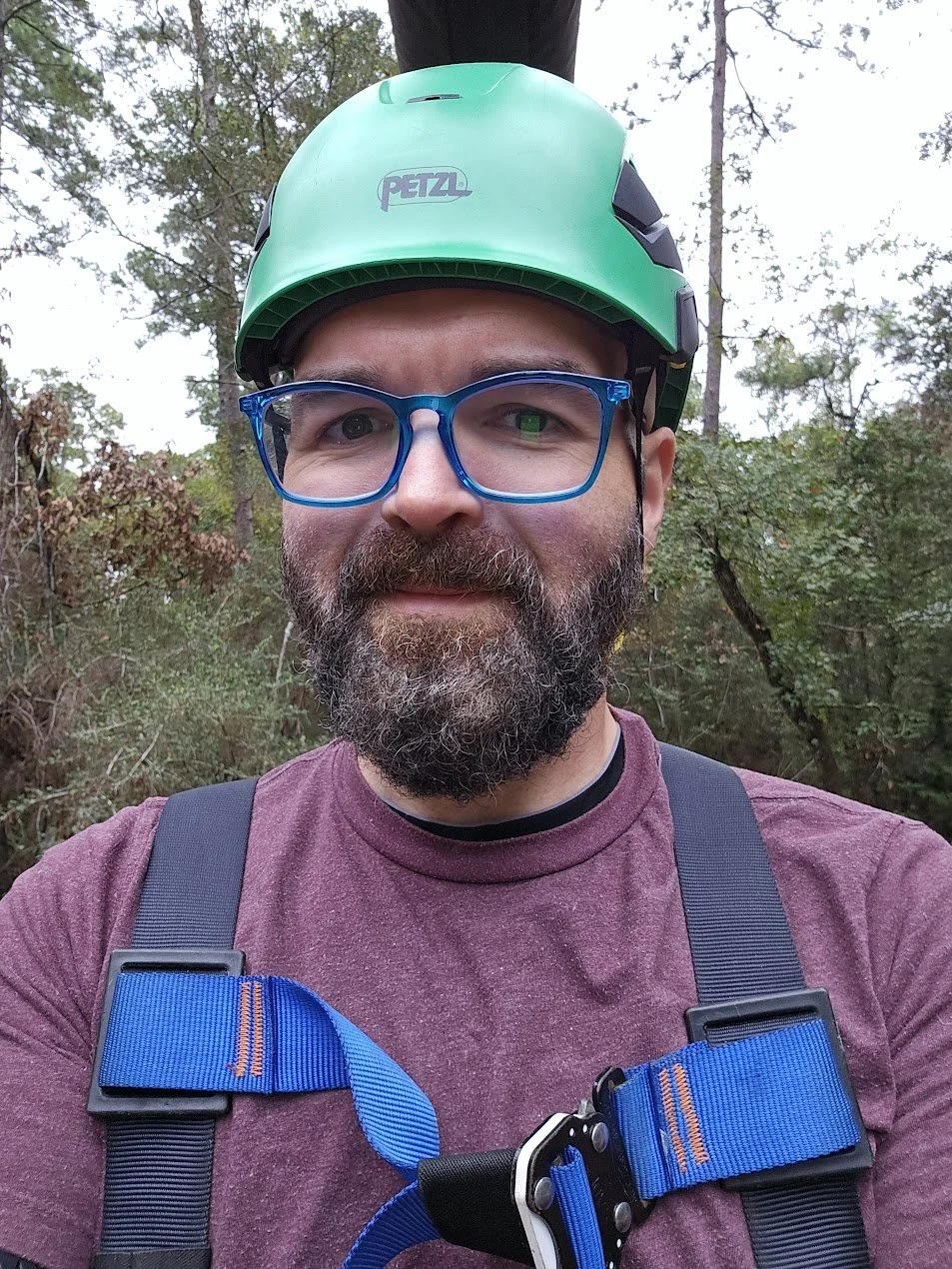
Founder of Geology Field School and field lead on this course. Company founded on wilderness risk management. Nationally Registered EMT. Former Global Field Safety Director for Nautilus/RPS across 100+ field courses worldwide.
Tara Valkyrie · Field asst · Wilderness First Responder
Field support
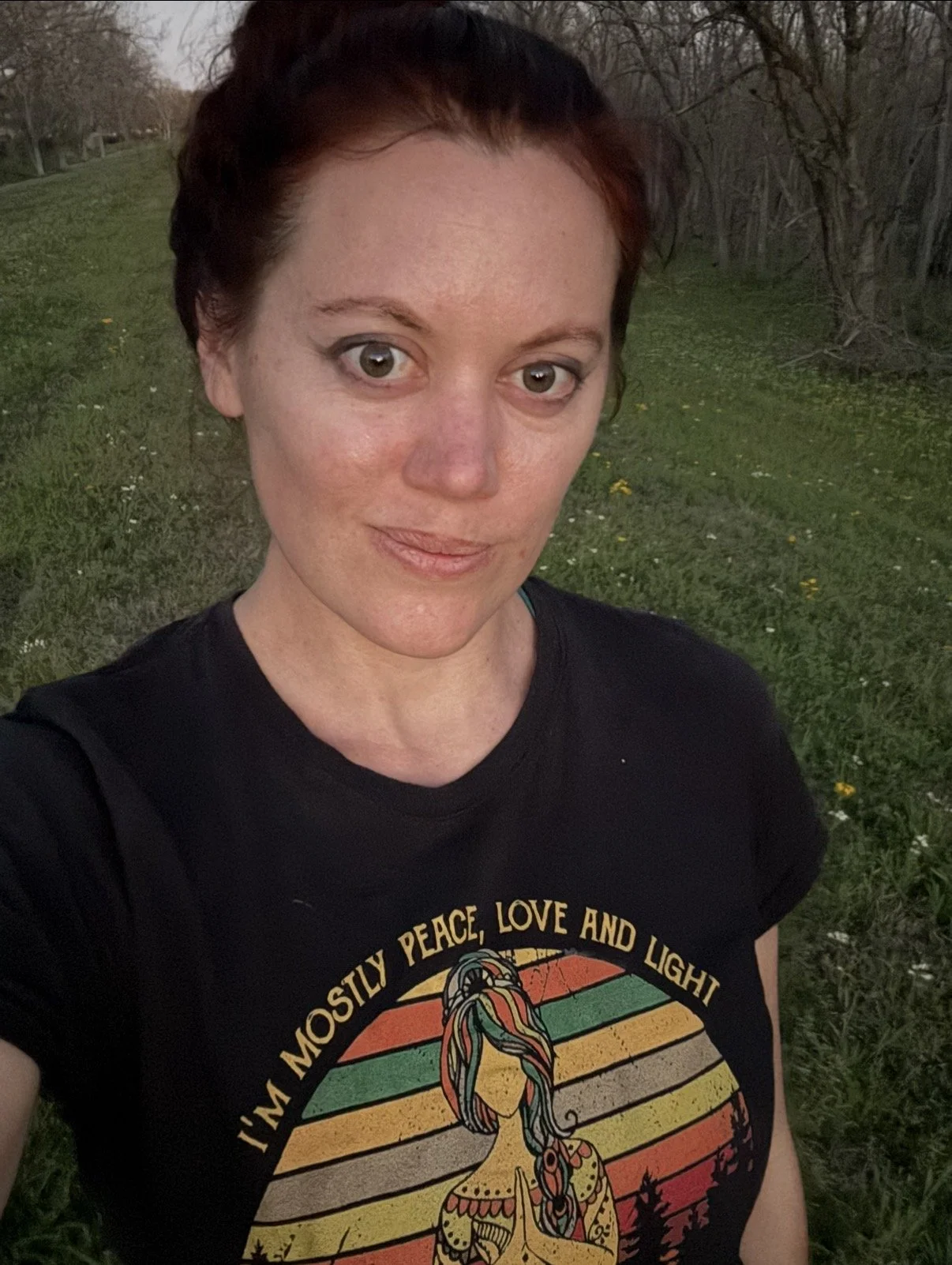
Field assistant and Wilderness First Responder supporting course logistics and safe learning in remote settings, with 22 years in nature education and outdoor skills.
Who this is for
Built for Williston SWD/CCS practitioners
- SWD / CCS geoscientists Working the Inyan Kara injection interval — need walkable outcrop control on sandbody architecture and seal risk.
- Reservoir engineers Need IVF connectivity and injectivity framed on rock, not only on maps and models.
- Development geoscientists Tying wells and seismic to depositional architecture along a proximal-to-distal transect.
- Exploration geologists Evaluating analogous compound IVF systems and sequence-stratigraphic stacking.
- Managers sending a team Want a shared outcrop model and a week that translates to everyday subsurface decisions.
- CCS / sequestration specialists Assessing storage potential and Skull Creek seal integrity from outcrop relationships.
Not for
- Tourists / general outdoors trips — this is an industry subsurface week, not a scenic geology tour.
- Undergrad field camp — pitched to working geoscientists and engineers with a Williston or analog injection mandate.
- Pure academics with no subsurface decision load — outcomes target injectivity, connectivity, and seal decisions you take back to the office.
Discipline mix locked to homepage v7 Inyan Kara bars (sum 100; Geotherm honest 0 — Hot Springs is base town, not curriculum).
Geol 45% · Eng 15% · Compl 10% · GeoPhys 10% · Geotherm 0% · CCS 10% · SWD 10%
- Geol (45%) — Days 1–4 objectives are facies, IVF architecture, Lakota/Fall River stacking, and proximal-to-distal sequence stratigraphy; LOs 1, 2, and 4.
- Eng (15%) — Injectivity, KH (permeability thickness), and storage potential along axis vs margin/interfluve; LO 2 injectivity controls.
- Compl (10%) — Guidebook day implications name completions targets that shrink or fail down-system.
- GeoPhys (10%) — Published LO 3: correlate stratal geometries to seismic / well-log recognition criteria.
- Geotherm (0%) — Hot Springs is an overnight base, not a curriculum wedge.
- CCS (10%) — Sequestration / storage potential and Skull Creek seal integrity from outcrop relationships; LO 5.
- SWD (10%) — Williston produced-water disposal framed on outcrop sandbody connectivity and injectivity controls.
Participant reviews
What participants scored
Across both Inyan Kara runs so far — 18 reviews, combined overall 4.730 / 5 (2025 and Sep 2026).
Show more reviews
Outcomes
Five problems this week solves
- Williston SWD/CCS sandbodies look continuous on maps but fail or baffle in the wellbore. Characterize compound IVF architecture on outcrop so you can predict sandbody connectivity in the subsurface.
- Lakota vs Fall River stacking is hard to discriminate from logs alone over short distances. Discriminate non-marine to marginal-marine stacking patterns and map injectivity controls where net:gross changes fast.
- Outcrop intuition rarely survives the jump to seismic and well-log criteria. Correlate stratal geometries and key surfaces to subsurface recognition criteria you can take back to the office.
- Proximal-to-distal change along IVF systems drives injectivity and seal risk you cannot see in one well. Integrate facies and architecture along a ~100-mile transect to anticipate net:gross and compartmentalization along the system.
- CCS storage potential and Skull Creek seal integrity need rock-based framing, not brochure geology. Frame storage potential and regional seal relationships from outcrop so sequestration decisions rest on observed geology.
Why this trip
Why this week
Walkable Williston analog
Black Hills Lakota and Fall River (Inyan Kara Group) outcrops map to the Williston injection interval — walk the architecture that maps alone miss.
Instructor owns the science
Rick owns the science — see Staff. Geology Field School runs safety, logistics, and equipment so teaching stays on the rock.
Exclusive 3D · Geology Field School exclusive
Geology Field School–original drone models — exclusive to this week — let you re-walk the architecture after the trip. See three live Sketchfab previews.
Vs classroom / catalog field schools
Office courses and photo catalogs cannot argue connectivity on the rock. Competitor weeks often rent an instructor for a stop list — here Rick owns the science, Geology Field School owns safety and ops, and the course is a Geology Field School original.
Overview
Williston SWD/CCS framed on outcrop
Outcrop frame
In the Williston Basin, the Inyan Kara is the primary subsurface injection zone for produced water (SWD) and a potential geologic sequestration unit for CCS, overlain by Skull Creek shale as the regional seal.
The Black Hills outcrop belt exposes the equivalent Lakota and Fall River Formations (Inyan Kara Group) in South Dakota and Wyoming — predominantly non-marine to marginal marine strata with compound incised valley-fills and multiple depositional sequences.
Twofold stratigraphy: lower Lakota mainly non-marine; upper Fall River more shallow marine. Despite that predictable split, the interval is extremely heterogeneous over short distances.
What you work
- Lithofacies and associations tied to stratal geometries
- Key stratigraphic surfaces from stacking and geometries
- Environments of deposition from facies and stacking
- Subsurface recognition (seismic / well-log criteria)
- Sequence stratigraphy for sandbody connectivity
- Injectivity and SWD geologic controls
- CCS storage potential and seal integrity
Sample week
May 10–15 · five field days, proximal to distal
- Mon 10Arrive RAP · safety · regional frame
- Tue 11Proximal high net:gross · compound IVF architecture
- Wed 12Medial-proximal valley fill · margin-to-axis Fall River
- Thu 13Medial-distal transition · Lakota IVF to back-stepping marine
- Fri 14Distal node · multi-story channels + Fall River lateral change
- Sat 15Integration / wrap · depart after 2:00 p.m.
Specific stop details are on your participant website.
Geology Field School exclusive
Exclusive drone outcrop models
Geology Field School originals — exclusive to this week. Three public transect previews; full models unlock with the participant kit (see Package).
Digital field kit
- Field Course Atlas · Field Guide Book · exclusive 3D / drone models · VRGS workshop
- Deepwater TV-style walkthroughs on the participant website
Transect preview 1
Transect preview 2
Transect preview 3
Safety
Field safety and readiness
How we run the week
- EMT and WFR on the trip
- Founded on the science of wilderness risk management and outdoor experience-based education
- Cutting-edge technology and the best safety equipment we can find that fits the purpose
- Hiking footwear mandatory
Who should not
Anyone unable to walk about 1 mile (1.6 km) off-trail on uneven ground with the group.
Hikes / readiness
Medium physical demand. Walks up to about 1 mile (1.6 km). Mix of off-trail and on-trail work in public-land parks. Elevation about 4,500 ft (1,370 m).
Elevation / field conditions
Hot Springs and Keyhole country sit about 3,500–4,500+ ft (~1,070–1,370 m); field days commonly work near ~4,500 ft (1,370 m). Overnight bases are in that same Black Hills foothills band. Expect a week that can swing hot, arid, cold, windy, or dry — strong sun/UV, dry air, and afternoon thunderstorms are all in play. Footing mixes off-trail and on-trail public-land parks with uneven ground. Plan layers, sun protection, water, and boots every day.
Main hazards
- Driving on highways, narrow roads, and ungraded roads
- Slips and falls on uneven / slippery rock, gravel, grass, and steep slopes
- Traffic at roadside stops (vests where directed; stay well off the road)
- Sun exposure and variable weather (heat, cold, wind, rain)
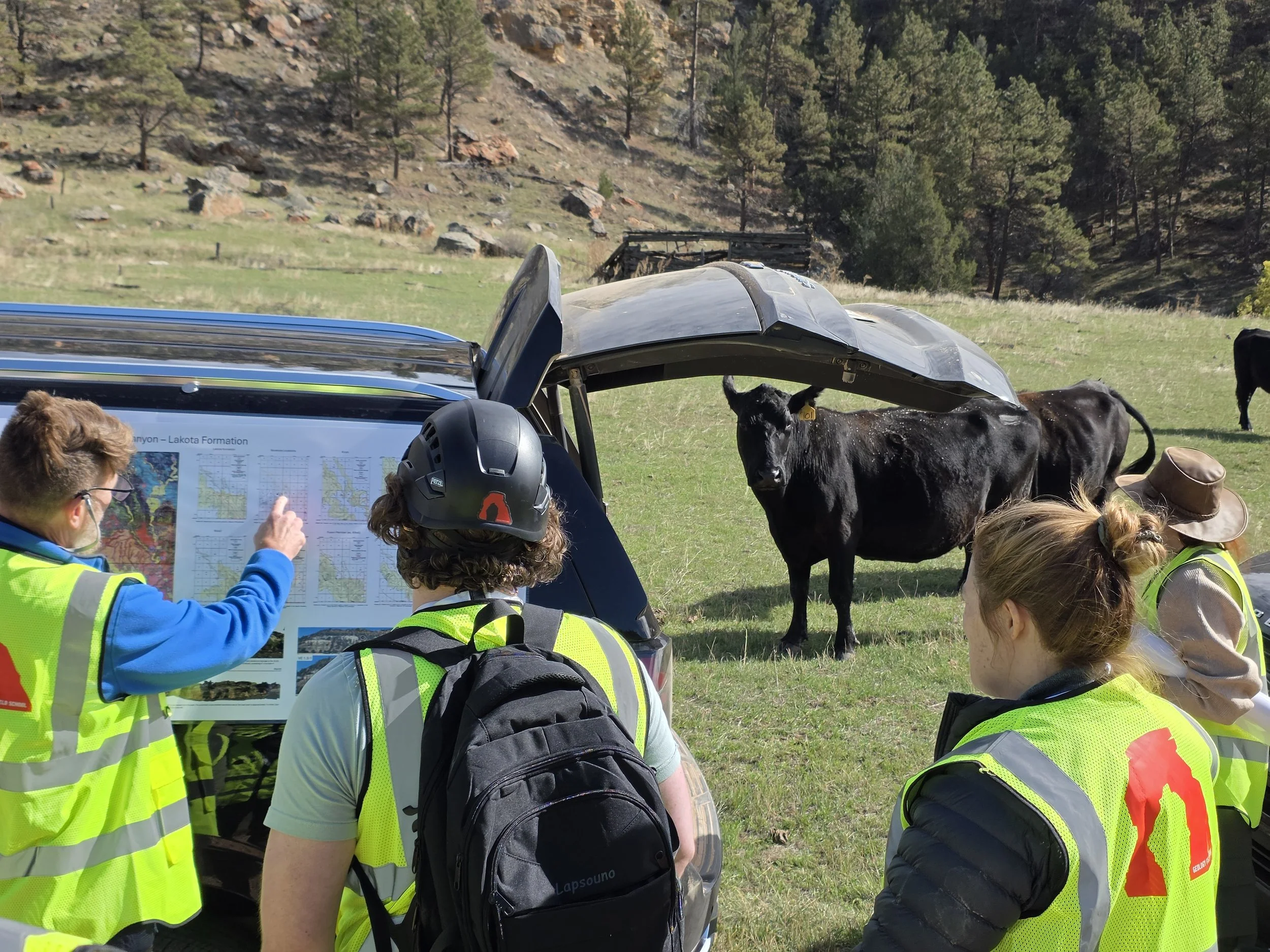
- Flora and fauna including ticks in tall grass and cows in pasture
- Loose rock / steep approaches where helmets are directed
Logistics
Travel and overnight bases
Required travel
Participants book their own flights into RAP.
- Arrive before 4:00 p.m. Day 0 (Monday May 10 2027).
- Do not book departure before 2:00 p.m. Saturday May 15 2027.
If you miss the 4:00 p.m. group meet on Day 0, you may miss the safety briefing and regional frame the field days build on.
Overnight bases
Hot Springs, SD — southern Black Hills base for the proximal end of the transect.
Deadwood, SD — northern side of the week after distal stops.
Single occupancy lodging is included in the public seat. Ground transport between bases and stops is provided in-course.
Gateway
Rapid City Regional (RAP). Course runs May 10–15 2027.
In the field
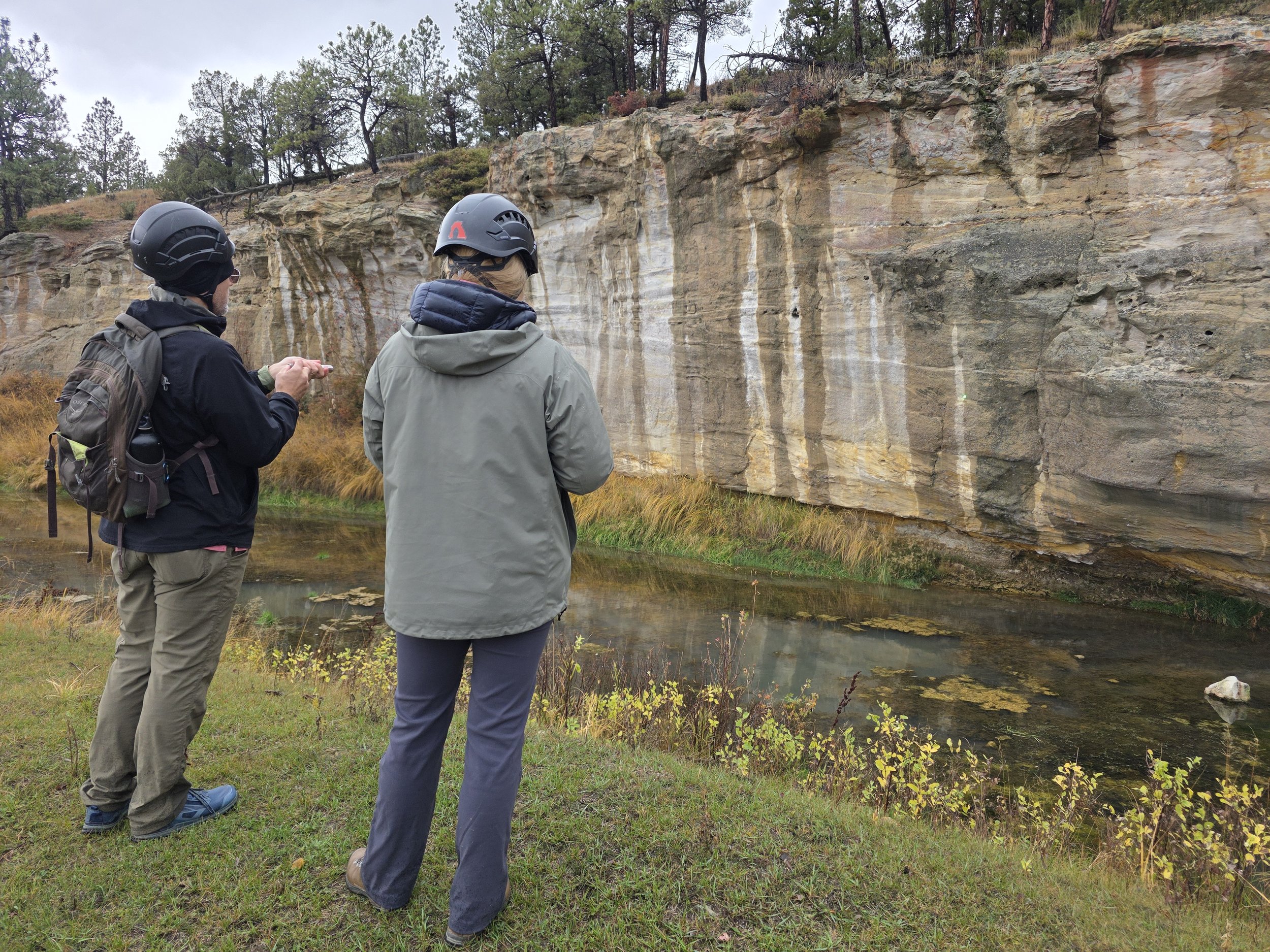
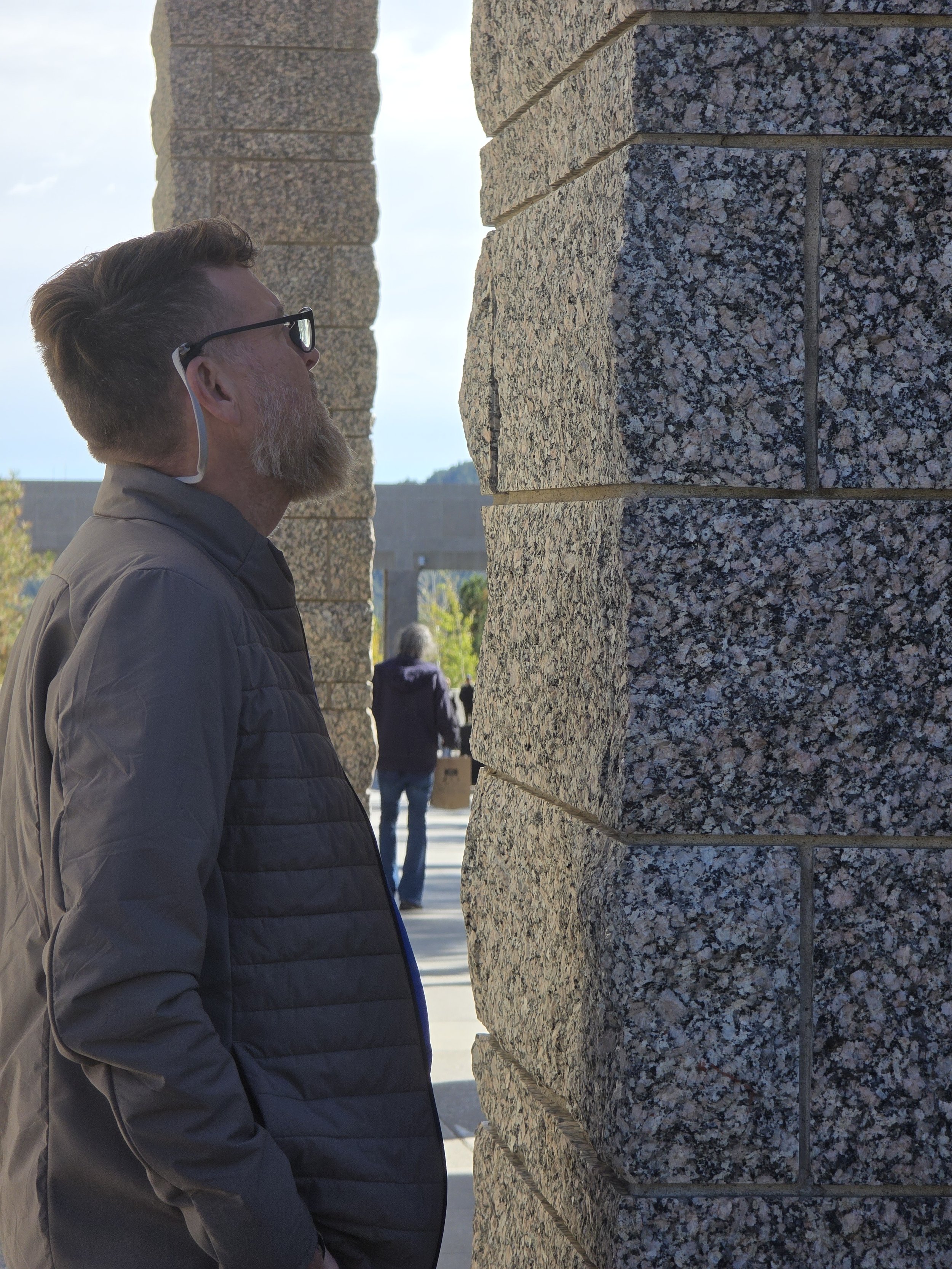
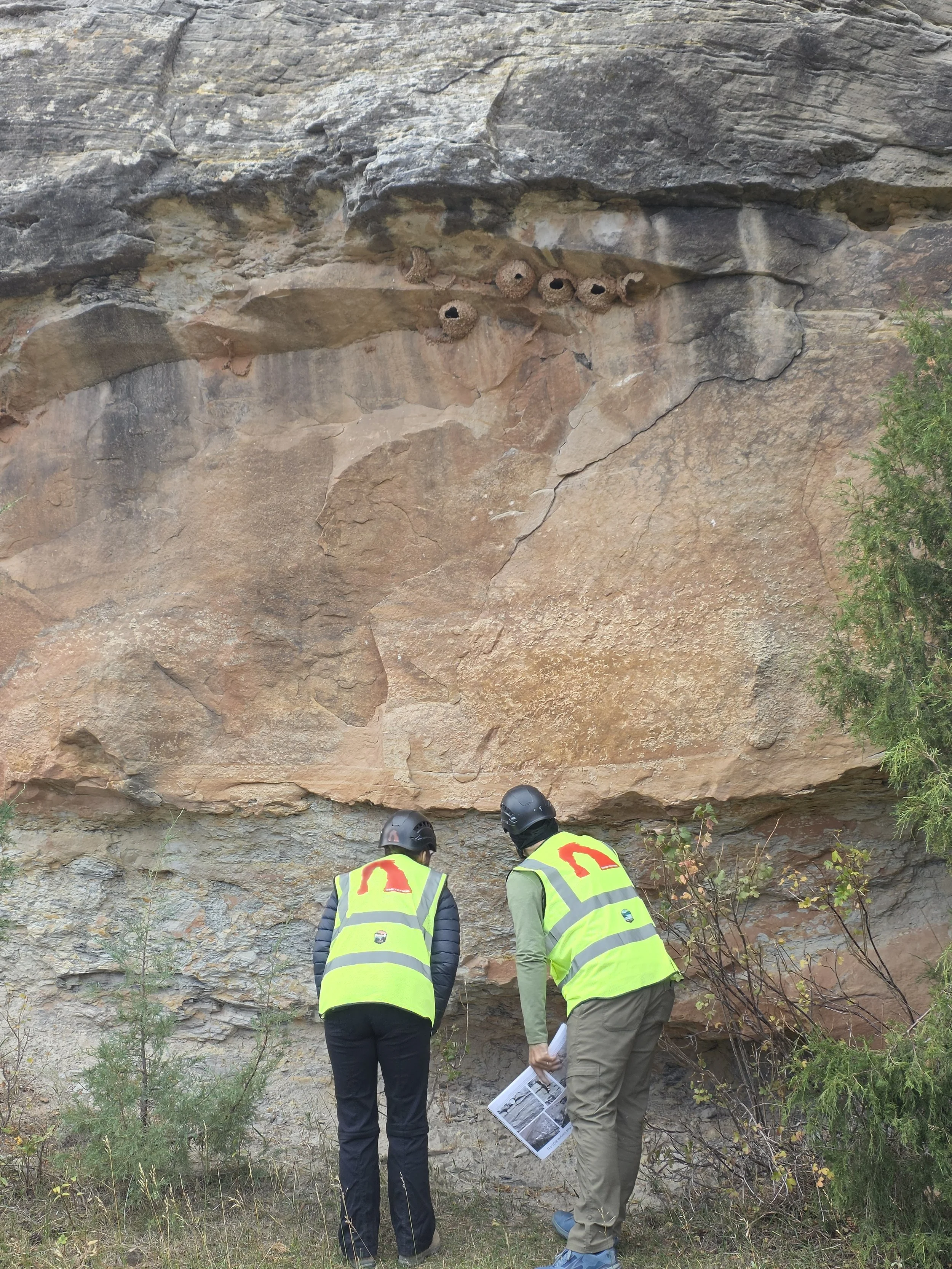
Black Hills outcrop days


Cultural enrichment
Black Hills towns and side stops
The science week sits in real Black Hills places — Hot Springs and Deadwood overnight bases, plus a few geologic and cultural side stops that make the week feel like more than outcrops alone.
Towns
Hot Springs
Southern Black Hills base for the proximal end of the transect — small town, warm pools country, and easy access to the Lakota / Fall River outcrop belt.
Deadwood
Historic mining town on the northern side of the week — evening base after distal stops, with Main Street character that participants remember as much as the rocks.
Core bonuses
- Mammoth Site — Ice Age sinkhole museum in Hot Springs; a short, high-impact stop tied to the same landscape we work.
- Devil’s Tower drive-by — iconic laccolith on the western swing; a geologic landmark you see from the road as the transect opens west.
When schedule allows
Occasional extras — not every run guarantees these.
- World Fossil Finder museum
- Mt Rushmore
- Roadside wildlife spotting through the Wind Cave area (buffalo and other plains wildlife when the route and timing line up)
Field school package
Investment and next step
$9,995
4–12 participants · single occupancy · May 10–15 2027
Course website, 3D models, technical materials, and field tools open 3 months before the course start date (about Feb 10 2027 for this May 10 start).
Included
- Instruction
- In-course ground transport
- Hot Springs, SD and Deadwood, SD single occupancy lodging
- Field lunches and most breakfasts / selected hosted dinners
- Course-specific field safety equipment
- Access to exclusive 3D drone models
- Integrated VRGS modeling and workshop
- Course notes / field guide by Rick Beaubouef, plus occasional follow-up addendums
- Participant course website and digital field kit (timing in access note above)
- Georeferenced field observations
Not included
- Airfare to / from RAP
- A few unhosted dinners
- Personal field clothing and hiking boots
- Travel insurance (recommended)
AP / procurement
- Non-refundable $500 deposit holds a seat
- Then either 50% of balance due 1 day before start and 50% after the trip ends, or pay in full (preferred)
- Company card and PO accepted
- Colleague substitution until 14 days before start
- Cancellation terms
- Vendor pack on request (W-9, COI, sample invoice)
FAQ
Common questions
Who should not register (fit)
Not for tourists, undergrad field camp, or pure academics with no subsurface decision load — see Who for. Fitness: about 1 mile off-trail; details in Safety.
Fitness requirement
About 1 mile (1.6 km) off-trail on uneven ground with the group. Full readiness and hazards are in Safety.
Flights — gateway RAP
Book your own flights into RAP. Arrive <4:00 p.m. Mon May 10; do not depart before 2:00 p.m. Sat May 15. Full travel rules in Logistics.
Lodging — single occupancy
Hot Springs and Deadwood single occupancy are in the package — see Logistics and Package.
Payment / AP
$500 non-refundable deposit, then split balance or pay in full; company card / PO accepted. Full AP notes in Package.
CEU / attendance letter
About 40 hours of instruction. We issue an attendance letter for your continuing-education path. We are not a board-accredited CEU provider — use the letter with your own board or employer process.
After Sign up — materials unlock
Square receipt first, then participant credentials when the kit opens. Timing is in Package.
Cancellation
See geologyfieldschool.com/cancellation for current terms.
In-house
Private company week
Same operating system. Your dates. 4–12 people. Your asset questions. Typical lead time 4–8 weeks.
More courses